
Is Snorkeling in Islamorada Good for Beginners?
Islamorada gets a lot of hype. Clear water, easy reefs, thousands of fish—sounds perfect for first-timers. And most of the time, it is. But whether snorkeling here works for you depends on more than just how pretty the brochure looks. It depends on what you expect, how comfortable you are in open water, and whether you're prepared to handle conditions that can shift faster than most beginners anticipate.
The good news? Islamorada has infrastructure built for people who've never touched a snorkel. The not-so-good news? That doesn't mean every site is foolproof. We'll break down what actually makes this place beginner-friendly—and where inexperience can still catch you off guard.
The Water Stays Manageable Most Days
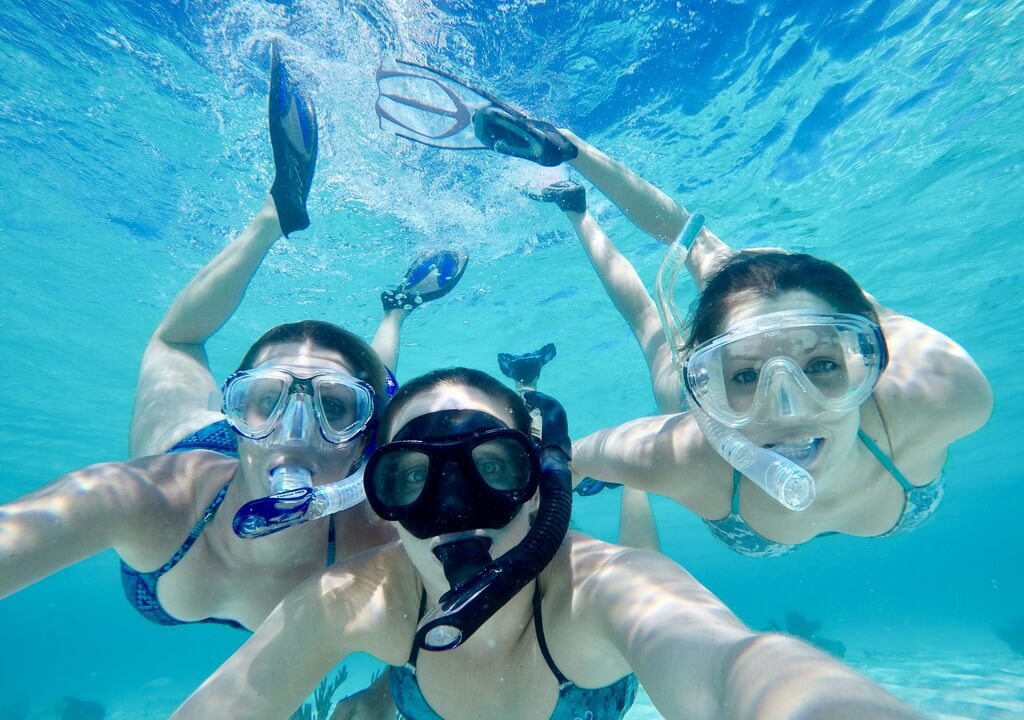
Islamorada sits along the Florida Reef Tract, which acts as a natural barrier against heavy surf and choppy conditions. That means calmer water compared to open ocean sites, and it's one of the biggest reasons beginners flock here. Visibility regularly hits 30 to 50 feet, so you're not guessing what's below you. You can see the reef, the fish, and where you're going—all without needing to dive or strain your eyes.
Most snorkeling spots sit in depths between five and fifteen feet. That's shallow enough to stand if you need a break, shallow enough to feel grounded, and shallow enough that you won't panic if your mask leaks or your snorkel floods. But shallow doesn't mean risk-free. Wind shifts, tidal swings, and boat traffic can still stir things up. If you're out there on a windy afternoon, even protected reefs can feel less forgiving than you'd expect.
Tour Operators Know How to Work With Newbies
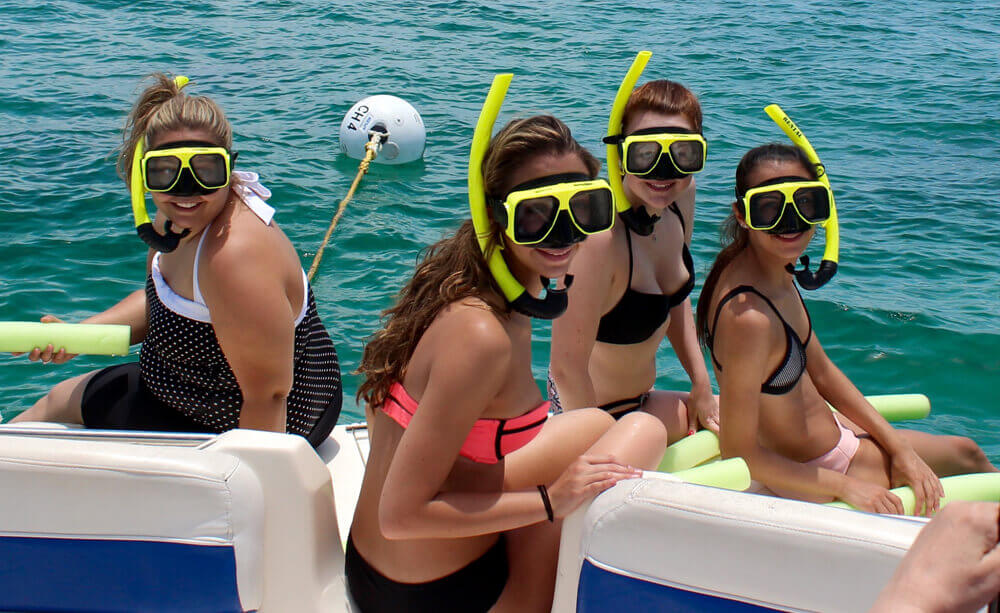
You're not going in blind. Islamorada has dozens of snorkel charters and dive shops that cater specifically to first-timers. Most offer gear, brief safety walkthroughs, and guides who keep an eye on the group. They'll show you how to clear your mask, how to breathe through the snorkel without choking, and how to kick efficiently without exhausting yourself in the first five minutes.
Guides also know which reefs handle beginners better. Sites like Cheeca Rocks, Alligator Reef, and Hen and Chickens are standard picks because they combine easy depths with high fish density. You get the experience without the stress. And if something goes wrong—cramps, anxiety, or just plain fatigue—you've got someone nearby who can help instead of watching from shore.
Marine Life Shows Up Without Effort
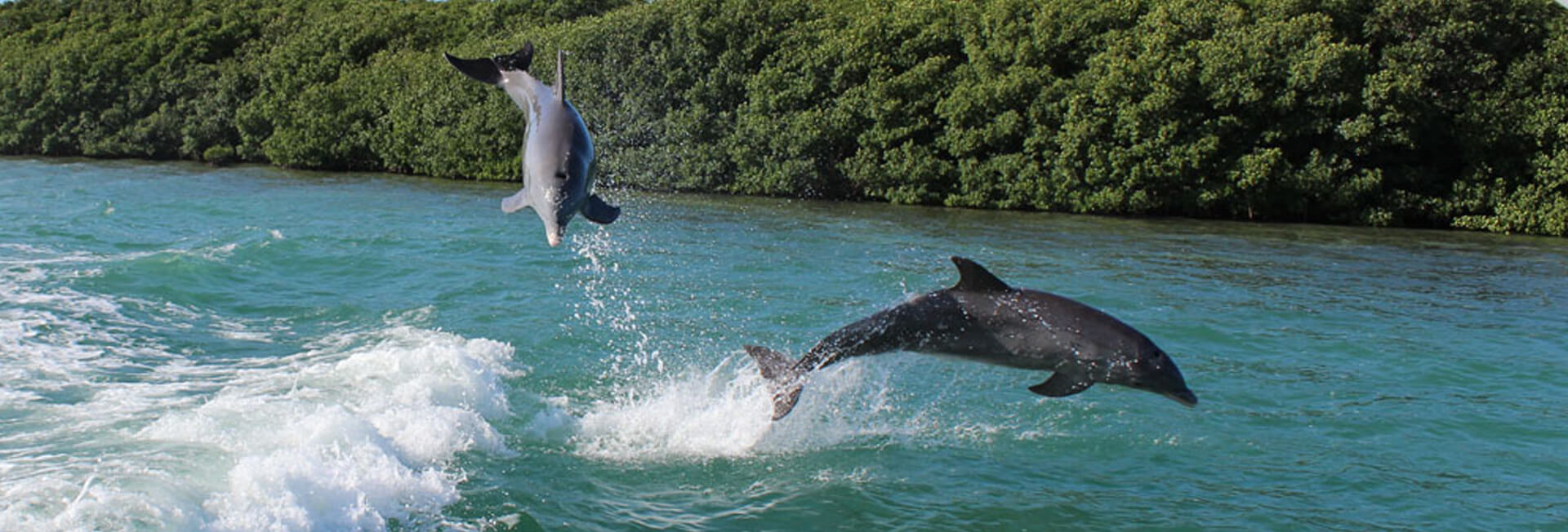
One of the frustrations beginners face at other snorkel spots is that you swim around for twenty minutes and see nothing. Islamorada doesn't have that problem. The reefs are dense, the fish are bold, and even in heavily trafficked areas, you'll spot parrotfish, angelfish, snappers, and juvenile barracuda within minutes.
You don't need to be an expert to enjoy it. You don't need advanced breath control or free-diving skills. Just float, look down, and the ocean does the rest. Occasionally you'll see rays gliding along the sand or a sea turtle cruising past. Nurse sharks show up too, though they're harmless and typically ignore snorkelers entirely. It's the kind of place where even a hesitant swimmer leaves the water grinning.
Gear Rentals Are Everywhere
You don't need to own anything to snorkel in Islamorada. Rental shops line the main highway, and most tours include gear in the package. Masks, fins, snorkels, flotation vests—it's all available, and it's all sized for different body types and skill levels.
That said, fit matters more than most beginners realize. A poorly fitting mask will leak constantly. Fins that are too loose will fall off mid-swim. If you're renting, take the time to adjust everything before you get in the water. Most shops will help with this, but don't assume it's automatic. A leaky mask can turn a great experience into a frustrating one fast.
What Beginners Overlook
Even with all the beginner-friendly features, there are still common slip-ups that turn an easy day into a rough one. Here's where most first-timers stumble.
- Skipping the practice session in shallow water and jumping straight into the reef
- Underestimating how tiring finning can be, especially if you're fighting current
- Touching coral or stepping on the reef, which damages marine life and can cause cuts or stings
- Forgetting sun protection and ending up with a burned back and shoulders
- Panicking when water gets in the snorkel instead of clearing it calmly
Conditions Aren't Always Perfect
Islamorada is calm most of the time, but "most of the time" isn't the same as "always." Weather shifts fast in the Keys. A clear morning can turn choppy by noon if wind picks up. During certain times of the year, jellyfish drift through popular snorkel sites. Currents that were barely noticeable yesterday might pull harder today.
Beginners often assume that if a site is labeled "easy," it stays that way no matter what. That's not how open water works. Always check conditions before heading out, and if your guide or captain says the water's rough, listen. Pushing through poor conditions just to say you did it isn't worth the risk or the misery.
When to Book a Guide vs. Going Solo
If you've never snorkeled before, book a tour. Don't try to wing it from shore or rent a kayak and paddle out alone. Guides provide safety, local knowledge, and peace of mind. They know where the best reefs are, they know how to read the water, and they know when to call it early if conditions turn.
Once you've got a few trips under your belt and you're comfortable with your gear, you can consider self-guided snorkeling from shore. But even then, go with a buddy, check the forecast, and stay in shallow, well-marked areas. Confidence is good. Overconfidence gets people into trouble.
What to Bring Beyond the Basics
- Reef-safe sunscreen that won't damage coral or marine life
- A rash guard or wetsuit for sun and jellyfish protection
- A waterproof bag for keys, phone, and anything else you don't want soaked
- A towel and change of clothes for after the trip
- Water and snacks, especially if you're out for more than an hour
Family Groups Fit Right In
Islamorada snorkel tours are built for mixed groups. Kids, parents, grandparents—everyone can participate as long as they're comfortable in water. Most operators provide flotation vests and noodles, so even non-swimmers can float safely at the surface and watch the reef below.
If you're bringing children, make sure they understand the basics before getting in. Practice breathing through a snorkel in a pool or bathtub. Let them get used to the mask fogging up or water splashing in. The more comfortable they are with the equipment beforehand, the better the actual experience will be.
Respect the Reef or Lose Access
Coral reefs are fragile, and Islamorada's reefs see thousands of visitors every year. Touching, standing on, or kicking coral causes real damage. It also puts you at risk—coral cuts can get infected, and some species sting. Keep your distance, control your fins, and don't chase fish or grab at marine life.
The more respectful snorkelers are, the longer these reefs stay accessible. Careless behavior leads to closures, fines, and degraded ecosystems. If you're not sure how to interact with something, the answer is simple: don't.
Safety Isn't Just About Skill Level
- Always snorkel with a buddy, never alone
- Stay within your comfort zone—don't push into deeper water or stronger current just to keep up
- If you feel tired, signal your guide or buddy and head back
- Keep an eye on boat traffic, especially near channels and dive sites
- Know the signs of hyperventilation or panic, and surface immediately if you feel either
Islamorada Delivers if You Show Up Prepared
Snorkeling in Islamorada works for beginners because the infrastructure, the reefs, and the conditions align in your favor. But "beginner-friendly" doesn't mean foolproof. You still need to prepare, respect the environment, and know your limits. Show up with the right mindset, listen to your guide, and take the experience seriously—not as a checklist item, but as a chance to engage with one of the most vibrant marine ecosystems in North America.
Do that, and Islamorada won't just be good for beginners. It'll be one of the best snorkeling experiences you'll ever have.
Ready to explore the underwater beauty of Islamorada? At Keyz Charters, we offer beginner-friendly boat tours that include everything you need for a safe and unforgettable snorkeling adventure in the Florida Keys. Book your trip today and discover what makes Islamorada one of the best snorkeling destinations in the world.
Let’s Make Your First Snorkel Trip Unforgettable
We believe everyone deserves a smooth, memorable start in Islamorada’s clear waters. If you’re ready to see the reefs up close and want a team that puts your comfort and safety first, let’s plan your adventure together. Give us a call at 305-393-1394 or Book now to reserve your spot and experience the best of Islamorada snorkeling with us.
‹ Back
Site by