
Can You Catch a Sunset & See Wildlife on the Same Islamorada Boat Tour?
Most people assume you need to choose. Either you're out there scanning the flats for dolphins and rays, or you're positioned somewhere scenic waiting for the sky to turn pink. But Islamorada doesn't work that way. The wildlife here doesn't clock out when the sun starts to drop. And the best captains know how to time a route so you're not sacrificing one for the other. You can absolutely do both — if you know what to look for and when to book.
The trick isn't just finding a tour that says "sunset cruise." It's finding one that actually builds the trip around peak animal activity and positions you where the light hits right. Islamorada sits in a sweet spot where the backcountry and open water meet, and that geography gives you options. Mangrove islands, grass flats, coral heads — each zone has its own rhythm. A good guide doesn't just drive the boat. They read the water, the tide, and the clock.
Late Afternoon Is When the Water Wakes Up
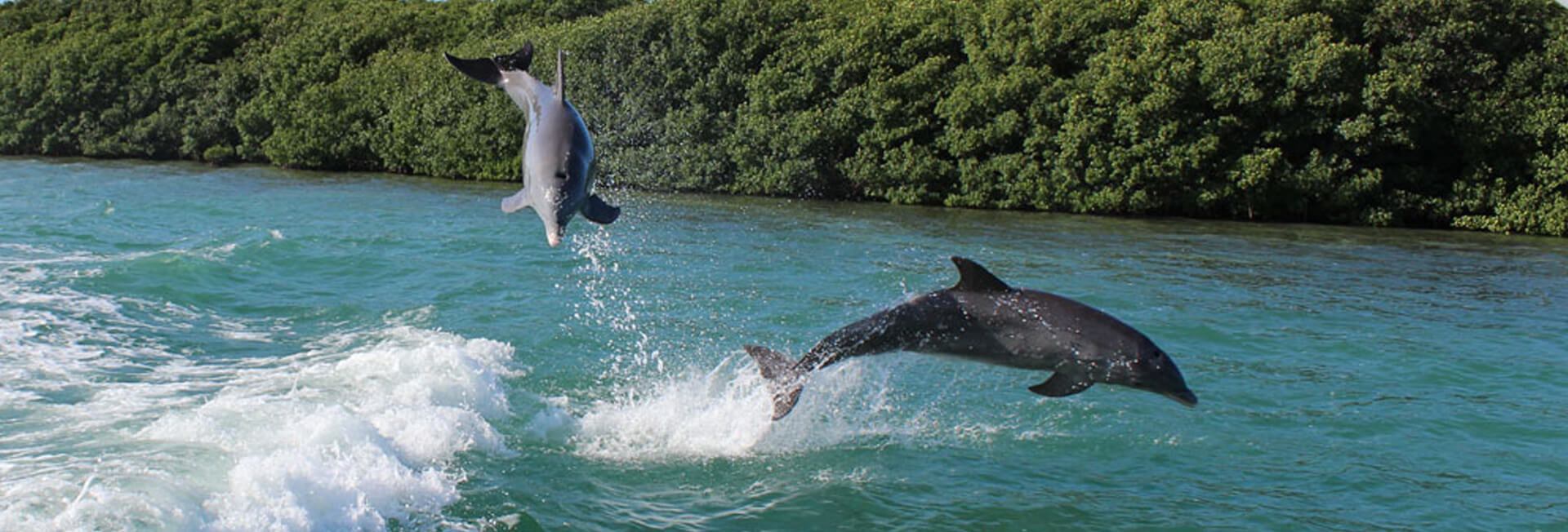
Wildlife doesn't move on your schedule. But there are windows when everything lines up. Late afternoon is one of them. The heat starts to ease, the light softens, and predators come out to hunt. That's when you'll see more movement — dolphins working bait schools, birds diving hard, rays gliding over the sand.
Most sunset tours launch between 4:00 and 5:30 PM, depending on the season. That gives you an hour or two of active observation before the sky starts its show. You're not just floating around waiting for golden hour. You're covering ground, scanning channels, and watching the ecosystem do what it does. If the captain knows the area, they'll take you through zones where sightings are consistent, not random.
What You're Likely to See Before the Sun Drops
Islamorada's backcountry is dense with life. Bottlenose dolphins are the headliners, and they're out there most days — sometimes solo, sometimes in pods. Manatees show up when the water's calm and the grass is thick. Sea turtles surface near the reefs. Tarpon roll in the channels. Ospreys and herons patrol the shallows, and if you're near the mangroves, you might catch roseate spoonbills or even a juvenile bald eagle.
The variety depends on tide, temperature, and time of year. But the density is real. You're not hoping for a single sighting. You're usually tracking multiple species across a two-hour window. And because the tour is timed for sunset, you're out there during one of the most active parts of the day — not the midday lull when everything's hiding from the heat.
- Bottlenose dolphins hunting or playing near the boat
- Manatees feeding in seagrass beds close to shore
- Sea turtles surfacing near patch reefs or grass flats
- Rays gliding across sandy bottoms in shallow water
- Herons, pelicans, and ospreys diving or perched in mangroves
The Sunset Doesn't Wait, But It Also Doesn't Rush
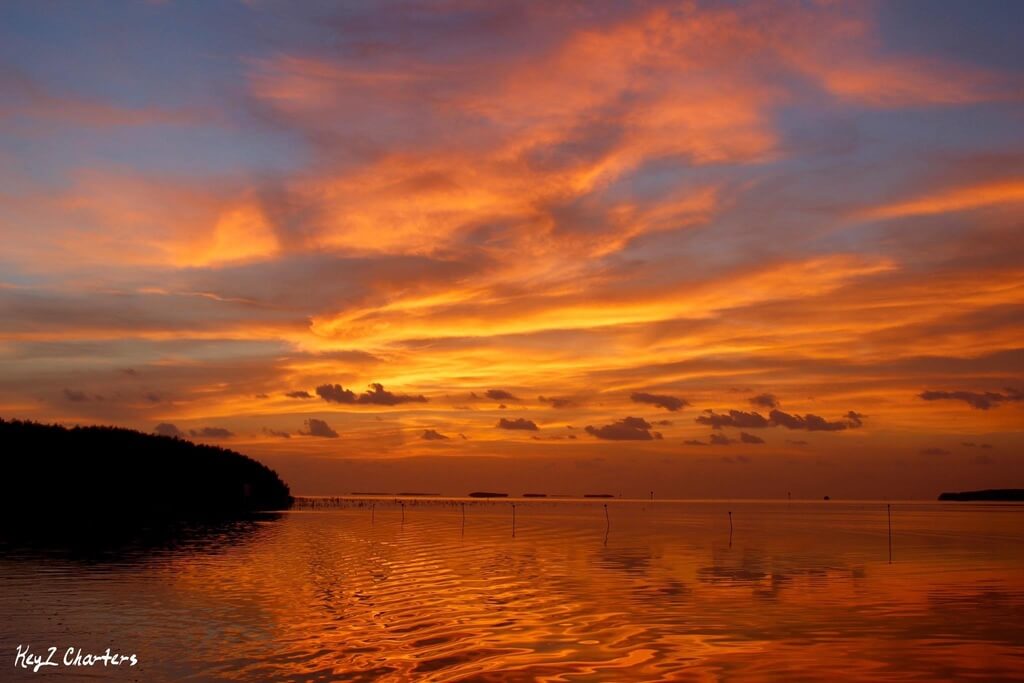
Once the wildlife portion winds down, the captain repositions. That might mean heading to a sandbar, anchoring near a channel marker, or drifting in open water where the horizon is clean. The goal is unobstructed sky and calm water so the colors reflect.
Islamorada sunsets are not subtle. The sky shifts from blue to orange to deep magenta in the span of twenty minutes. If there's cloud cover, the light bounces and spreads. If it's clear, you get a clean burn. Either way, you're watching it from the water, which beats any beach or rooftop view. No crowds. No buildings. Just you, the boat, and the shift from day to night.
Timing the Tour Right Matters More Than You Think
Not all sunset tours are built the same. Some are pure sightseeing — slow drift, cocktails, music. Others are wildlife-focused but end before the light gets good. The ones that work are the hybrids. They start early enough to catch active hours, route through high-density zones, then finish positioned for the drop.
Booking matters too. Peak season means more boats and less flexibility. Off-season gives you more space and better pricing, but weather can be unpredictable. If you want both experiences in one trip, look for operators who explicitly mention wildlife observation and sunset timing — not just one or the other. And ask about route options. A captain who's willing to adjust based on conditions is worth the extra few bucks.
- Book tours that depart 90–120 minutes before official sunset time
- Confirm the route includes backcountry or grass flats, not just open water
- Ask if the captain adjusts based on tide and animal activity
- Check reviews for mentions of actual wildlife sightings, not just scenery
- Avoid tours that prioritize partying over observation
Gear and Expectations You Should Bring
You don't need much, but a few things make the trip better. Polarized sunglasses cut the glare and let you see into the water. Binoculars help with distant birds and dolphins. A camera with decent zoom is useful, but your phone will work fine if the light's right. Sunscreen is non-negotiable — even late in the day, the reflection off the water will burn you.
Dress in layers. It's warm when you leave the dock, but once the sun drops and the boat's moving, it cools off fast. A light long-sleeve or windbreaker keeps you comfortable without overheating. And bring water. Most tours provide it, but having your own stash means you're not waiting on someone else to pass a cooler.
- Polarized sunglasses to reduce glare and spot underwater movement
- Binoculars for clearer views of distant birds and marine life
- Reef-safe sunscreen to protect skin without harming wildlife
- Light jacket or long-sleeve shirt for cooler evening temps
- Refillable water bottle to stay hydrated throughout the trip
What Separates a Good Guide from a Generic One
A generic guide follows a set route and points out whatever happens to show up. A good one knows where animals are likely to be, adjusts for conditions, and narrates what you're seeing without overdoing it. They don't just spot a dolphin — they explain why it's hunting that channel at that tide. They don't just point at a bird — they tell you what it's doing and why it matters.
Experience shows in the details. How they position the boat so everyone gets a view. How they slow down when something interesting surfaces. How they read the water and shift the route mid-trip if the original plan isn't panning out. You're paying for knowledge as much as you're paying for the ride. And when it's done right, you leave understanding more than you did when you showed up.
Why Combining Both Experiences Actually Works
Some tours try to do too much and end up doing nothing well. But wildlife and sunsets aren't competing priorities in Islamorada — they're complementary. The timing overlaps naturally. The locations that deliver one often deliver the other. And the pacing works because you're not rushing. You're observing, then transitioning, then soaking it in.
It's also more efficient than booking two separate trips. You get the variety without burning a full day or doubling your cost. Families appreciate it because it holds everyone's attention. Photographers love it because the light and subject matter both deliver. And if you're only in town for a short window, it's the highest-return way to experience what Islamorada's known for.
- One tour covers two of Islamorada's biggest draws without doubling costs
- Active wildlife observation keeps the experience dynamic, not passive
- Sunset viewing provides a natural, calming conclusion to the trip
- Guides can educate about ecosystems while the action unfolds
- Fewer logistics and more time on the water compared to separate bookings
What Happens When It All Clicks
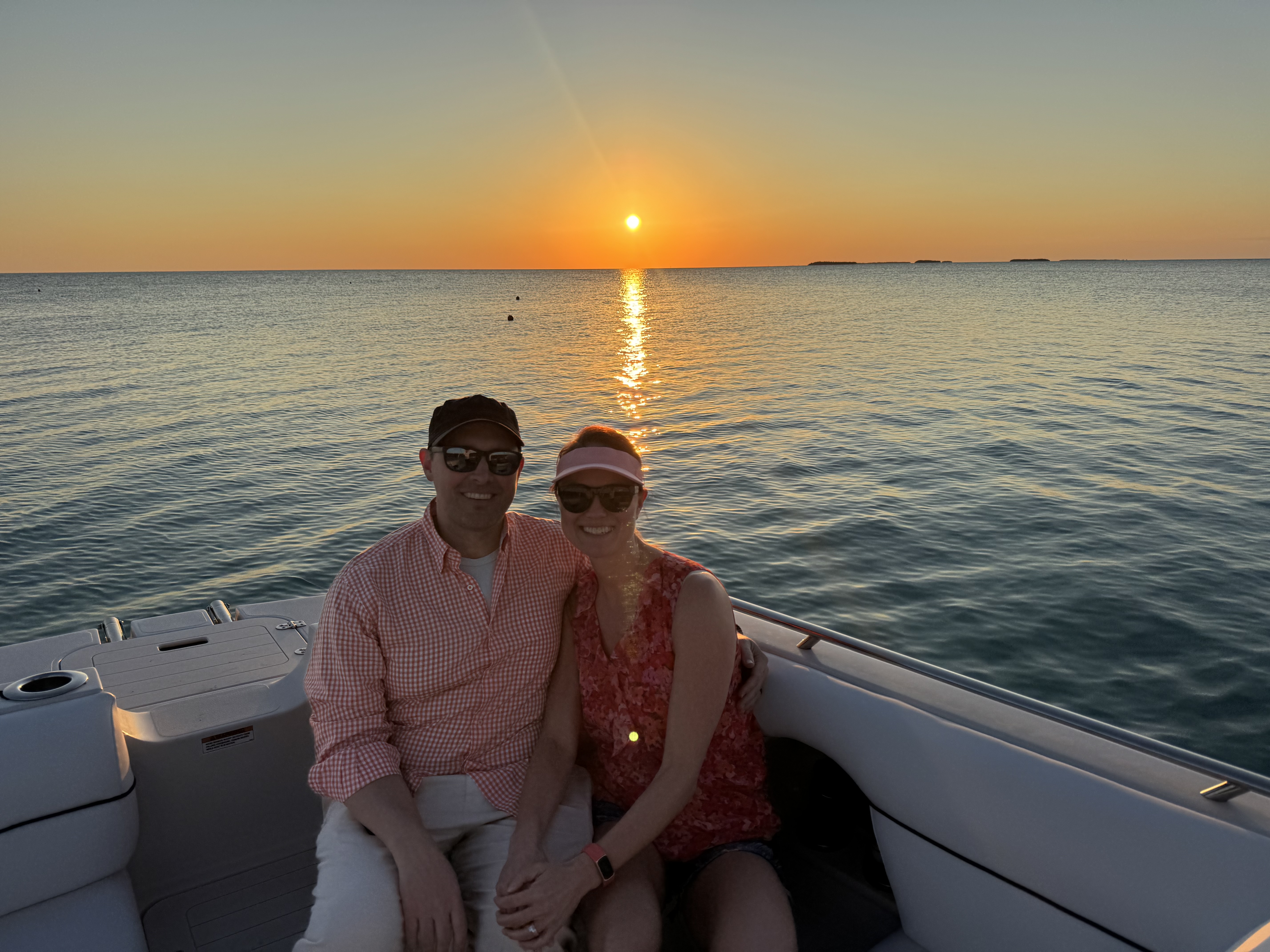
There's a rhythm to these trips when everything works. You're moving through narrow channels, spotting turtles, watching a heron spear a fish. Then the engine cuts, the boat drifts, and the sky starts to shift. The water goes glassy. The noise fades. And for fifteen or twenty minutes, you're just there — watching the light change and the day close out.
It's not manufactured. It's not packaged like a theme park experience. It's just Islamorada doing what it does, and you happened to be in the right place at the right time with someone who knew how to show it to you. That's the whole point. And yes, you can absolutely catch both on the same trip — if you're working with someone who knows how to build the route and read the water. Just make sure you're booking the right kind of custom combination tour, not the one that sounds good in a brochure but delivers half of what you came for.
Ready to Experience the Best of Both Worlds?
We believe every trip should deliver more than just a pretty view or a fleeting wildlife sighting—it should give you the full Islamorada experience. Let’s plan your next adventure so you don’t have to choose between sunset magic and unforgettable animal encounters. Call us at 305-393-1394 or book now and let’s get you out on the water for a tour you’ll remember.
‹ Back
Site by