
Can You Visit Indian Key on a Private Boat Tour in Islamorada?
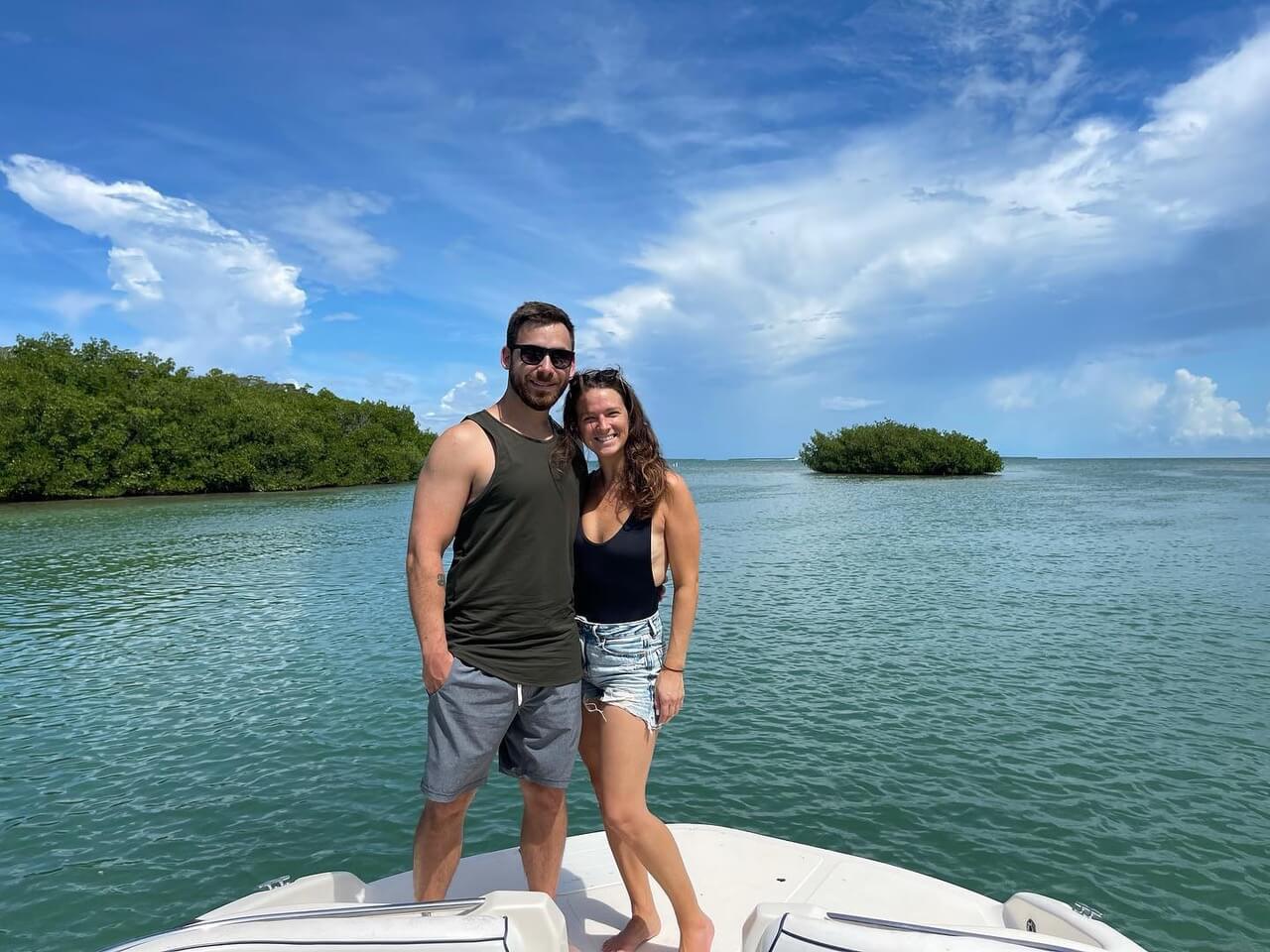
Most visitors treat Islamorada like a postcard — pretty water, a few snapshots, maybe a sunset drink. But if you're willing to push offshore just three-quarters of a mile, there's a slice of Florida history that most people skip right over. Indian Key isn't flashy. It doesn't have gift shops or guided audio tours. What it does have is ruins, silence, and a story worth hearing. And yes — you can absolutely get there on a private boat tour.
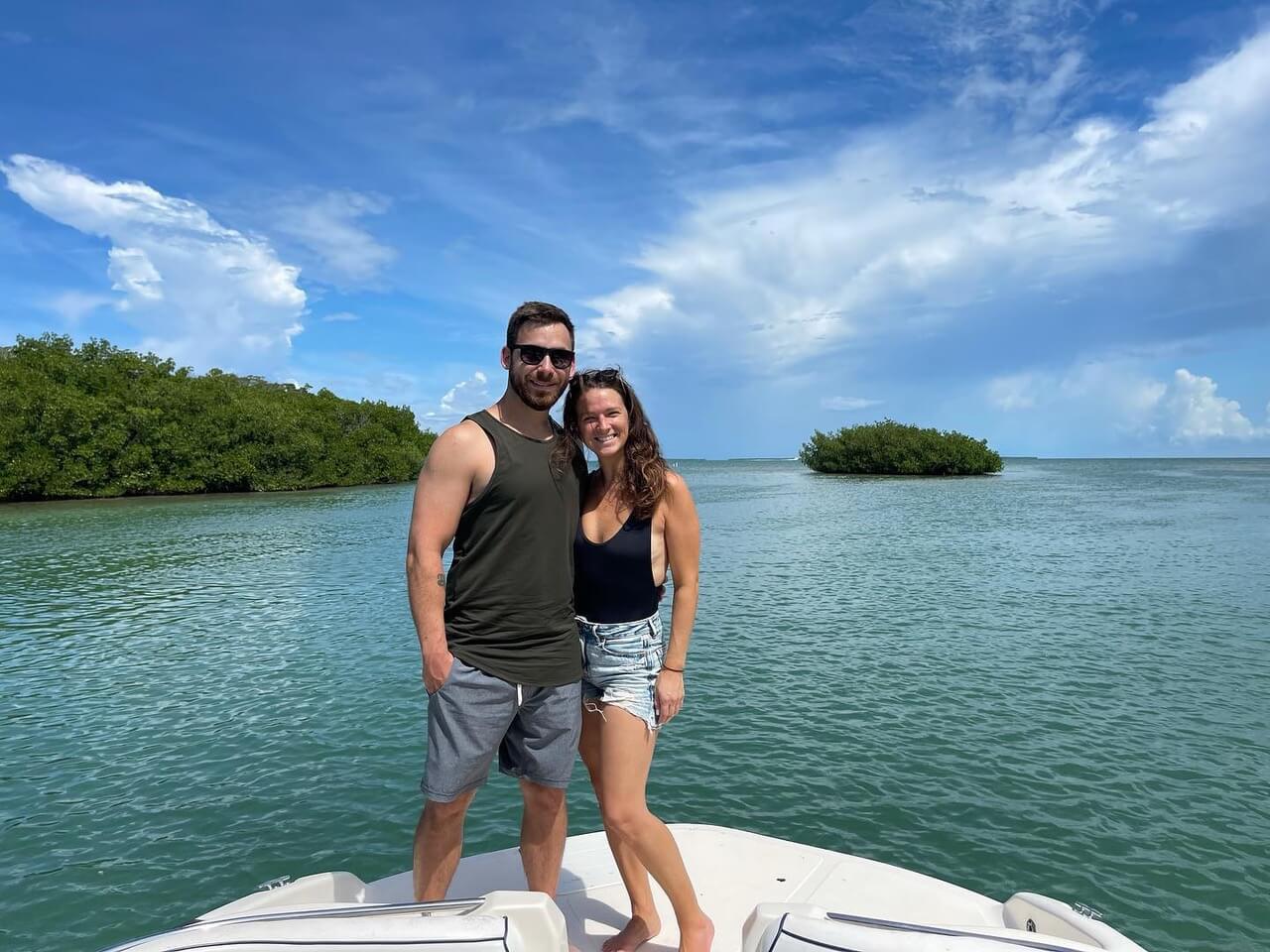
The island sits uninhabited now, part of a state historic park that barely advertises itself. But in the 1800s, it was a salvage hub, a settlement built on shipwrecks and ambition. Today, the buildings are gone. What's left are stone foundations, old cisterns, and walking trails that cut through tropical scrub. It's not Disneyfied. It's real. And if you want to experience it without fighting crowds or renting a kayak in choppy water, a private charter is your best move.
The Island That Time Forgot
Indian Key doesn't connect to anything. No causeway. No ferry schedule. No parking lot with a kiosk. You either paddle out or you boat out — that's it. The isolation is part of the appeal, but it also means most tourists never make it. Those who do usually arrive by kayak from the mainland, which sounds adventurous until you're halfway there in full sun with a current working against you.
That's where private boat access changes the equation. You skip the sweat. You show up fresh. And you've got a captain who knows the water, the wildlife, and the backstory. Indian Key Historic State Park preserves what's left of a 19th-century settlement that thrived on wrecking — the business of salvaging goods from ships that ran aground on the reef. It didn't last long. A raid in 1840 ended the community for good. But the remnants are still there, waiting under the canopy.
Private Charters Beat the Paddle
Booking a private boat tour out of Islamorada gives you control. You're not locked into a group itinerary or racing a rental return window. You set the pace. You decide how long to stay. And if you want to snorkel the shallows or explore a second site afterward, that's on the table too.
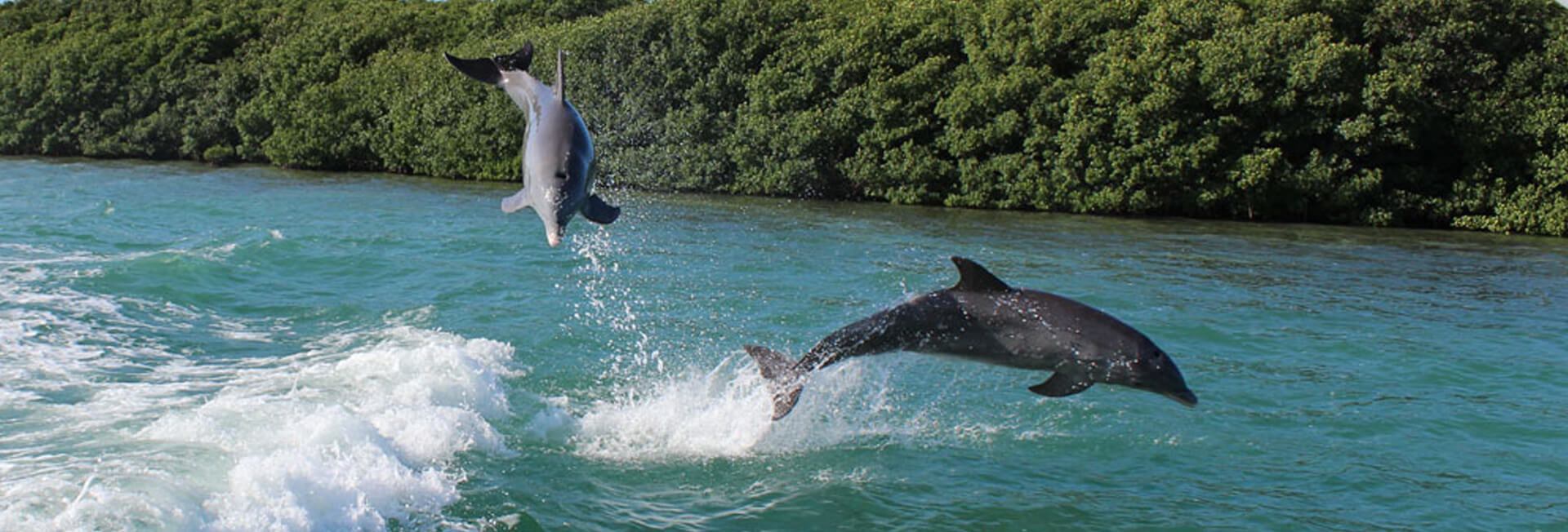
Most operators running these tours are locals who've spent years on the water. They know the tides, the channels, and where the sea grass hides stingrays. They'll point out ospreys, nurse sharks, and the occasional manatee. And when you dock at Indian Key, they'll give you the rundown — where to walk, what to look for, and how much time you've got before the next weather shift rolls in.
What You'll Find on the Ground
The island itself is small. You can walk the perimeter in under an hour if you're moving. But most people don't rush it. The trails loop through what used to be streets. Interpretive signs mark where homes and warehouses once stood. You'll see the remains of a cistern system that collected rainwater — critical when you're living on a rock with no freshwater source.
The vegetation has reclaimed most of it, but that's part of the charm. Gumbo limbo trees twist overhead. Sea grape lines the shore. It feels less like a museum and more like an archaeological site that someone forgot to fence off. Bring your phone or a camera — the light through the canopy is worth capturing. Just don't expect restrooms or picnic tables. This is raw Keys history, not a county park.
The Water Around It Delivers Too
Indian Key isn't just about what's above the surface. The surrounding flats and coral heads are prime for snorkeling, and the visibility is usually solid unless a storm just blew through. You'll see parrotfish, angelfish, and plenty of juvenile reef species using the grass beds as nurseries.
If your charter includes snorkel gear, use it. The shallow water means you don't need to be an advanced swimmer to enjoy it. And because the island sits in a protected zone, the marine life tends to be abundant and unbothered. Some operators will anchor nearby and let you float for as long as you want. Others will tie exploration and snorkeling into a half-day trip that hits multiple spots. Either way, the water is part of the experience — not just the ride out.
What to Bring and What to Skip
You're heading to an island with zero infrastructure. Plan accordingly. That means water, snacks, sunscreen, and a hat that won't blow off the boat. If you burn easily, bring a long-sleeve rashguard. The sun reflects hard off the water, and shade is limited once you're ashore.
Here's what should be in your bag:
- Reef-safe sunscreen — the park's in a marine sanctuary
- Water bottles — bring more than you think you need
- Snorkel gear if your operator doesn't provide it
- Sturdy sandals or water shoes for walking the trails
- A dry bag for your phone and anything else you don't want soaked
Leave the cooler full of glass bottles at home. Keep it simple. This isn't a beach party — it's a historical site that happens to be surrounded by incredible water.
Booking Smart Means Showing Up Ready
Private boat tours fill up fast, especially in winter and spring when snowbirds flood the Keys. If you're visiting during high season, book at least a few weeks out. Off-season gives you more flexibility, but you'll also deal with afternoon storms and higher humidity.
Most operators offer half-day and full-day options. A half-day is plenty if Indian Key is your main focus. Full-day charters usually add snorkeling sites, sandbar stops, or a run out to Lignumvitae Key nearby. Ask what's included — some provide gear, some don't. Some bring coolers with ice and water. Others expect you to pack your own.
And don't skip the weather check. Conditions in the backcountry can shift quickly. A tour operator worth their salt will call you the day before to confirm or reschedule if a front's moving through. If they don't, that's a red flag.
Why It's Worth the Trip
There's no shortage of things to do in Islamorada. You can fish. You can dive. You can sit at a tiki bar and watch the water. But Indian Key offers something different — a chance to step into Florida's past without the noise, the crowds, or the commercialization that's swallowed up so much of the coast.
It's quiet. It's raw. And it's still accessible if you know how to get there. A private boat tour strips away the hassle and puts you in the hands of someone who knows the area. You're not guessing about currents or wondering if your kayak will make it back. You're there to explore, and everything else is handled.
Respect the Rules and the Resource
Indian Key is a state park, which means it's protected. That protection keeps it pristine, but it also comes with expectations. Don't remove anything. Don't carve your initials into a tree. Don't feed the wildlife or leave trash behind.
The park rangers don't patrol constantly, but they do check in. And locals notice when someone's being careless. If you're serious about experiencing the Keys the right way, treat the island like the historical and ecological resource it is. That respect goes a long way — and it ensures the next group gets to see it the same way you did.
Other Stops Worth Adding
If you've got time and your charter's willing, there are a few other sites within striking distance of Indian Key. Lignumvitae Key is another state park nearby, known for its virgin tropical hardwood forest. It requires a ranger-led tour if you want to go ashore, but the mangrove channels around it are worth a look even from the boat.
Some operators also swing by Anne's Beach or the flats near Teatable Key for additional snorkeling or wildlife watching. The backcountry out there is shallow, protected, and loaded with marine life. If you've got a full day booked, ask what else is on the route. A good captain will build in variety without rushing you through any one spot. Historic island tours often combine multiple locations for a more comprehensive experience.
The Right Operator Makes All the Difference
Not all private charters are created equal. Some are running cookie-cutter routes with tourists packed in like sardines. Others are small, owner-operated outfits that actually care about the experience they're delivering.
Look for operators with good reviews, local knowledge, and boats that are clean and well-maintained. Ask questions up front:
- How long will we spend at Indian Key?
- Is snorkel gear provided or do we need to bring our own?
- What's your cancellation policy if weather turns?
- Do you stop anywhere else, or is this a dedicated trip?
- How many people will be on the boat?
If they're vague or dismissive, keep looking. The right captain will answer everything clearly and make you feel confident before you ever step on the boat. Reading reviews from previous guests can help you identify trustworthy operators.
Don't Wait for Perfect Conditions
Weather in the Keys is unpredictable. You can check the forecast a week out and still wake up to something different. But if you're waiting for a flawless day, you might never go. A little wind or passing clouds won't ruin the trip — and sometimes they make it better by keeping the crowds thin and the heat manageable.
Trust your operator to make the call. If conditions are unsafe, they'll reschedule. If it's just a bit breezy, you'll be fine. The backcountry around Islamorada is generally calmer than the ocean side, so even when the Atlantic's choppy, the route to Indian Key is often smooth.
History You Can Touch
Indian Key isn't behind glass or roped off. You can walk where people lived, worked, and died nearly two centuries ago. You can trace the outline of buildings with your feet and imagine what it looked like when ships lined the shore and salvage crews worked the docks.
That kind of access is rare. Most historical sites in Florida have been paved over or turned into attractions. Indian Key remains because it's hard to reach and expensive to develop. The isolation that ended the settlement is the same thing that's preserved it. And if you're willing to get on a boat and make the trip, it's yours to explore. If you're planning your visit, you can find helpful information in this guide to Islamorada.
Ready to Experience Indian Key?
We believe the best stories are the ones you live for yourself. Let’s make your day on the water unforgettable—exploring history, snorkeling clear shallows, and soaking up the quiet side of the Keys. If you’re ready to plan your private boat tour, give us a call at 305-393-1394 or book now and we’ll handle the rest.
‹ Back
Site by