
When Is the Best Time to Snorkel in Islamorada?
Most people think snorkeling is just about showing up with a mask and fins. Water's warm, reef's pretty, dive in. But Islamorada doesn't work that way — and if you don't plan around conditions, you're wasting your trip. Visibility matters. Currents matter. And timing can mean the difference between swimming through an aquarium and fighting choppy water with nothing to see.
So here's what you need to know. If you're serious about seeing coral, fish, and clear blue water, you don't just pick a random week. You match your schedule to the season, the tides, and the weather patterns that define the Keys. Every month brings something different. Every condition leaves its mark on what you'll actually experience below the surface.
How the Seasons Shape What You'll See
Islamorada sits in subtropical territory, which means it never really gets cold. But that doesn't mean every month is the same. The Keys run on two seasons — dry and wet — and each one brings different conditions for snorkelers. Dry season stretches from November through April. Wet season takes over from May to October. And the difference between them is more than just rainfall.
Dry months bring steady sun, light winds, and cooler air temperatures. Wet months crank up the heat, the humidity, and bring afternoon storms that are usually brief and localized. But here's what most people get wrong — those summer storms don't kill your snorkeling plans. The reefs sit offshore where the water stays clear, and we snorkel year-round with great success. Summer actually brings some of the best conditions you'll find all year.
Why Summer Months Deliver Peak Snorkeling
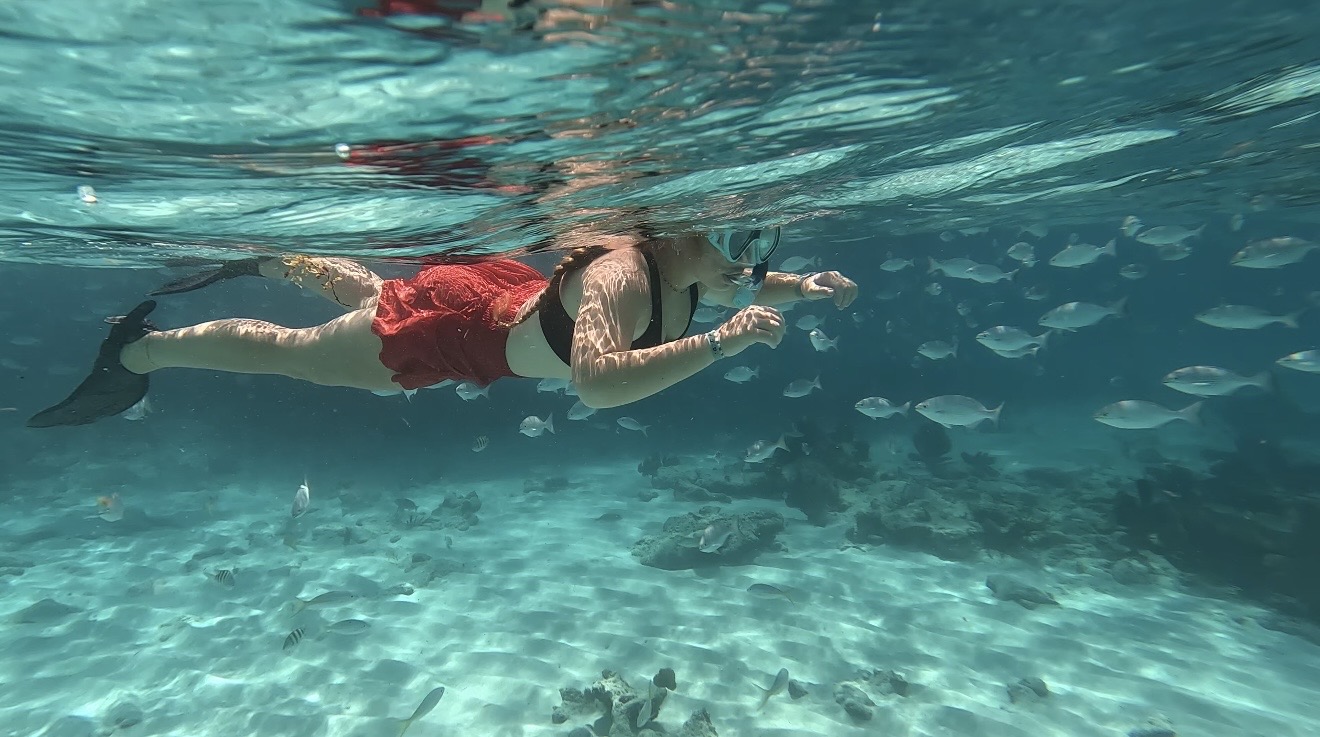
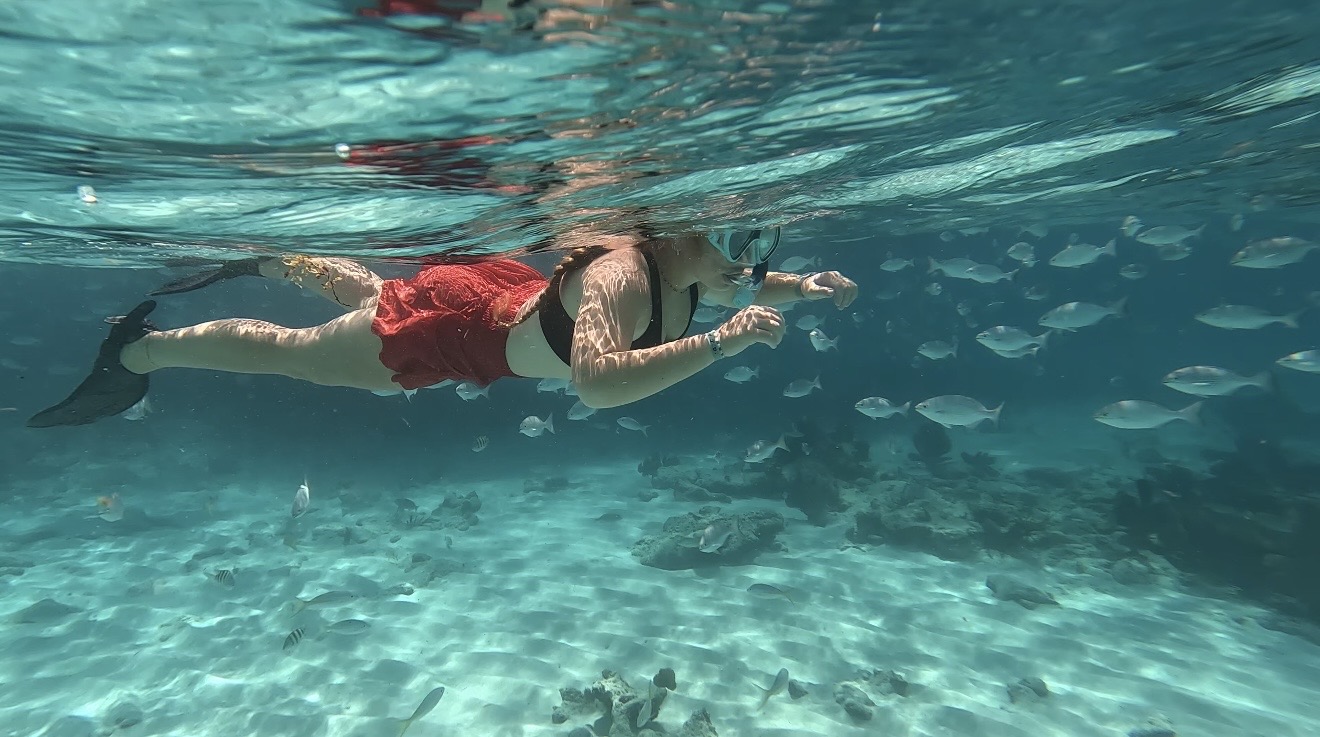
If you want the warmest water and the most active marine life, come between May and October. This is when conditions really shine for snorkelers. Water temperatures climb into the low to mid-80s, which means you can stay in longer without getting cold. The reef comes alive with breeding activity, more fish, and increased visibility of larger species moving through the area.
That warm water isn't just comfortable — it brings energy to the entire ecosystem. You'll see more movement, more feeding behavior, and more opportunities to spot species that stay deeper or further out during cooler months. Mornings are typically glassy and calm, and even when afternoon storms roll through, they're usually short-lived and don't affect underwater visibility the way people assume.
- Water temperatures in the low to mid-80s mean no wetsuit required
- Marine life is at peak activity during summer breeding seasons
- Morning conditions are consistently calm and clear
- Afternoon storms are brief and don't impact reef visibility
- Longer daylight hours give you more time on the water
What Makes Year-Round Snorkeling Work Here
We snorkel all year in Islamorada because the conditions support it. Even during the winter months, water temps rarely drop below the low 70s, and the reefs stay accessible. But summer brings advantages that winter can't match. The water's warmer, the marine life is more active, and you don't need extra gear to stay comfortable.
Afternoon storms in summer are part of the rhythm here, but they don't wreck your plans. Most are isolated, predictable, and pass quickly. We monitor weather patterns closely and schedule trips to avoid the worst of it. And because the storms don't stir up sediment at the reef sites we visit, visibility stays strong even after weather moves through. You're still looking at 60 to 80 feet of clarity on most days.
- Reefs are accessible and clear year-round
- Summer storms are isolated and short-lived
- Offshore reef sites maintain visibility regardless of brief rain
- Water clarity consistently ranges from 60 to 80 feet during summer months
- We run successful snorkeling Islamorada trips every month of the year
Winter Still Works, But It's Not the Only Option
November through April brings cooler air, less humidity, and steady conditions. It's a solid time to snorkel, and plenty of people plan trips around the dry season. But it's not automatically better than summer — it's just different. The water's a bit cooler, which means some snorkelers prefer a wetsuit. Marine life is still present, but you won't see the same level of breeding activity or movement that summer brings.
Winter is peak tourist season, which means more boats, more crowds, and higher demand for spots on popular tours. If you're trying to avoid the rush and want warmer water with active reefs, summer is actually the smarter play.
- Cooler water temperatures in the low to mid-70s
- Less humidity and slightly lower air temperatures
- More crowds and higher booking demand
- Marine life is present but less active than summer months
- Some snorkelers prefer a wetsuit during winter outings
Tides Aren't Just Background Noise
Even if you nail the season, you can still blow your snorkel day by ignoring the tides. High tide generally gives you the best shot at clear water and easier access to shallow reefs. The water's deeper, so waves don't stir up the bottom as much. Low tide can expose more coral and create stronger currents, which makes navigation harder and visibility worse.
Check the tide charts before you go. Plan your outing around incoming or high slack tide when possible. It's a small adjustment that makes a noticeable difference, especially if you're snorkeling off the beach rather than from a boat. Local dive shops and boat tour operators live by the tides — and so should you.
- High tide offers deeper water and less bottom disturbance
- Slack tide provides the calmest currents for beginners
- Outgoing tides can create stronger pulls near channels and passes
- Tide charts are available online or at any local marina
Summer Gives You More Flexibility
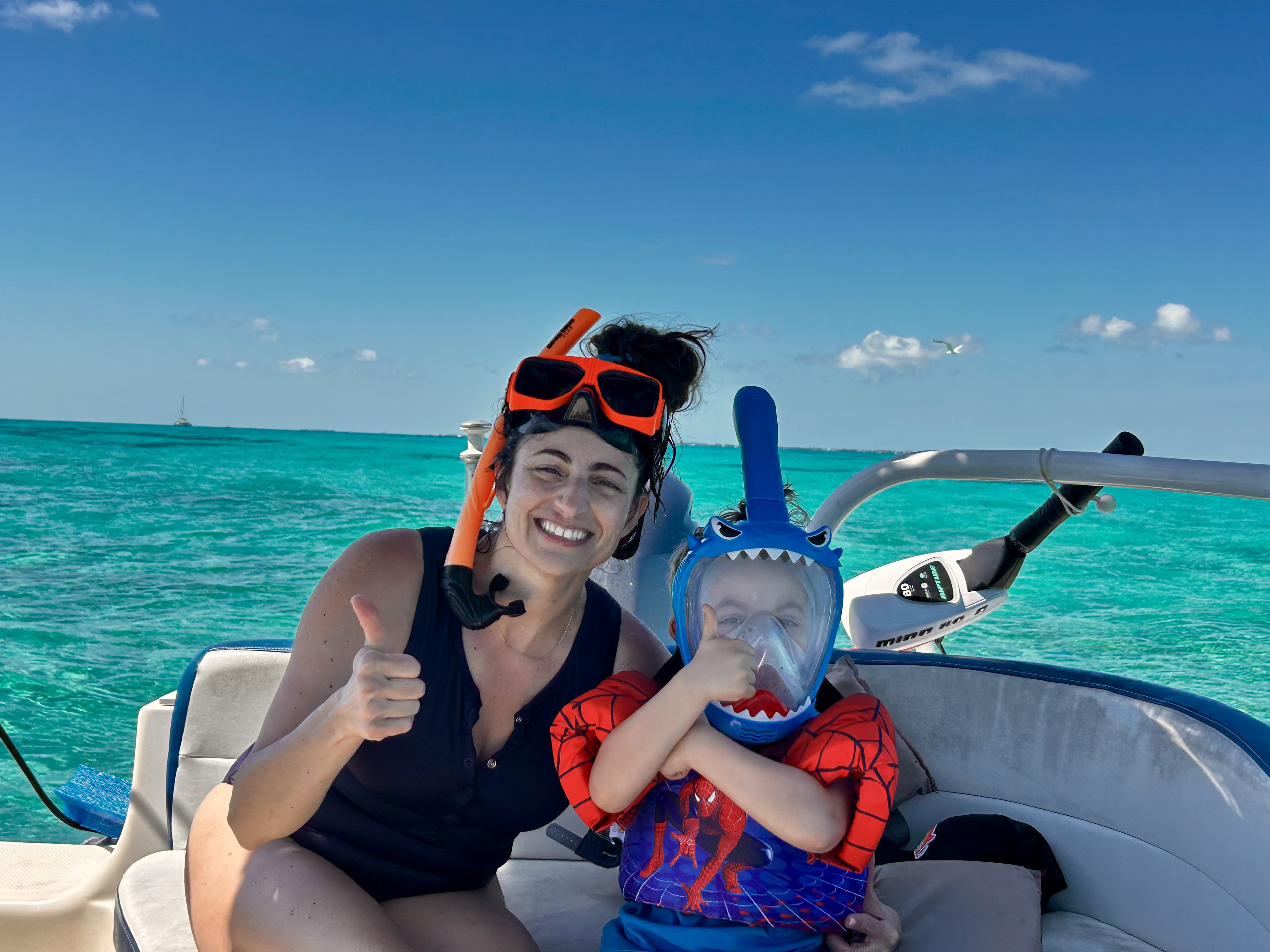
One of the biggest advantages of summer snorkeling is the longer days. The sun rises earlier and sets later, which gives you more time on the water. Morning trips start in calm conditions, and you've still got hours of daylight left after you're done. That flexibility means you can plan other activities around your snorkel trip without feeling rushed.
And because summer is technically off-season for tourism in the Keys, you'll find better availability, fewer crowds at popular reef sites, and often better rates on charters and tours. You're getting peak conditions without peak prices or peak congestion.
Gear and Prep Make or Break the Day
Showing up with foggy masks and ill-fitting fins is how amateurs waste half their time. Quality gear matters, whether you're renting or bringing your own. A well-sealed mask, fins that actually fit your feet, and a snorkel that doesn't leak every five seconds — these aren't luxuries. They're baseline requirements.
And don't skip the reef-safe sunscreen. The coral here is already under stress from warming water and pollution. Using chemical-laden sunscreen just adds to the problem. Go mineral-based, apply it early, and reapply after you're done snorkeling. Your skin and the reef both benefit.
- Test your mask fit before getting in the water to avoid leaks
- Summer snorkeling rarely requires a wetsuit in Islamorada
- Use reef-safe sunscreen to protect marine ecosystems
- Pack a mesh bag for easy gear transport and drainage
- Consider a snorkel vest for added buoyancy and safety
Weather Monitoring Keeps You Safe
We don't care how perfect the morning looks — staying aware of conditions throughout the day is part of smart boating. Summer weather in the Keys is predictable in its patterns. Mornings are calm, afternoons can bring isolated storms, and evenings often clear back up. Most tour operators schedule trips in the morning to take advantage of the best conditions, and we monitor weather closely to keep everyone safe.
During summer months, always check tropical weather updates if you're planning a trip. A developing system can still be days away but worth keeping an eye on. That said, day-to-day summer weather doesn't interfere with snorkeling the way people assume. Brief afternoon rain doesn't affect underwater visibility at the reef sites we visit, and we run successful trips all summer long.
Snorkeling Smart Beats Snorkeling Once
Islamorada's reefs are world-class, and they perform year-round when you know what you're doing. Summer delivers warm water, active marine life, and conditions that let you stay in the water longer without discomfort. Winter offers cooler temps and dry weather, but it comes with crowds and higher demand. Either way, showing up prepared and paying attention to the details is what separates a forgettable outing from one you'll talk about for years.
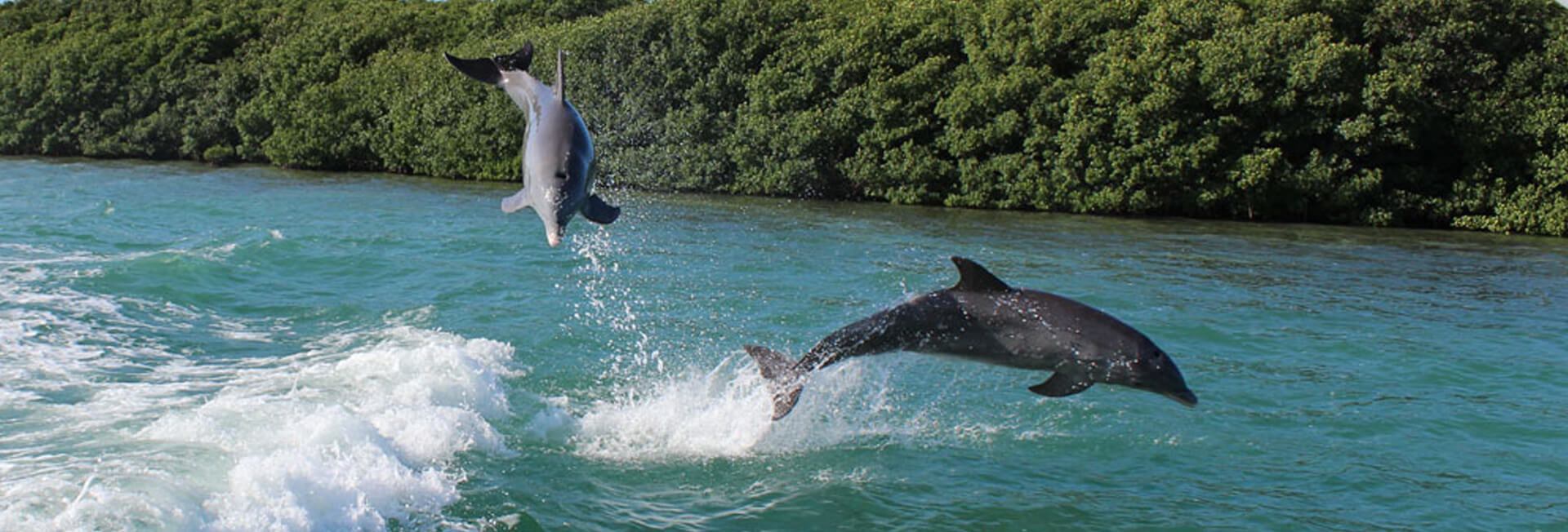
The water's there every month. The coral isn't going anywhere. And the window for great snorkeling is wider than most people think. Hit it right, and Islamorada will show you exactly why it's considered one of the best snorkeling destinations on the planet. Islamorada eco-tours offer guided experiences that time trips around optimal conditions, and custom combination tours let you pair snorkeling with sandbar visits or wildlife watching for a full day on the water.
Ready to Dive In?
We know the difference that perfect timing and local expertise make when it comes to snorkeling in Islamorada. Let's make your next trip unforgettable—reach out to us with your questions or to reserve your spot. Call us at 305-393-1394 or book now and we'll help you catch the best conditions the Keys have to offer.
‹ Back
Site by