
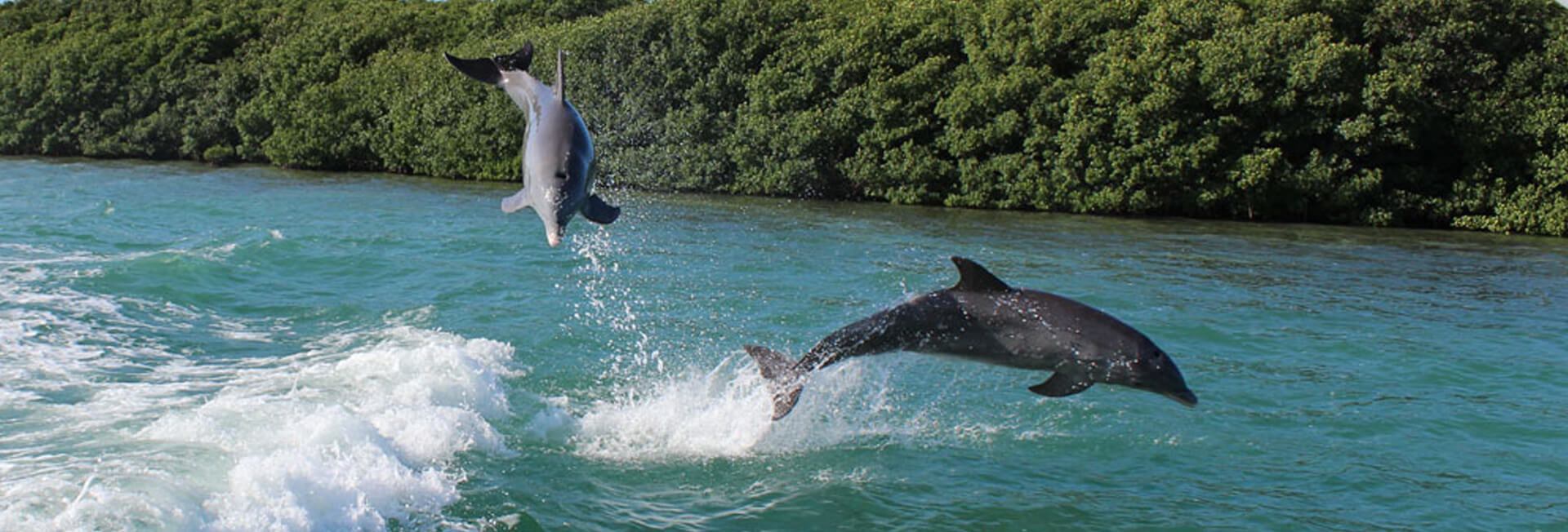
Snorkeling Near Alligator Lighthouse in Islamorada
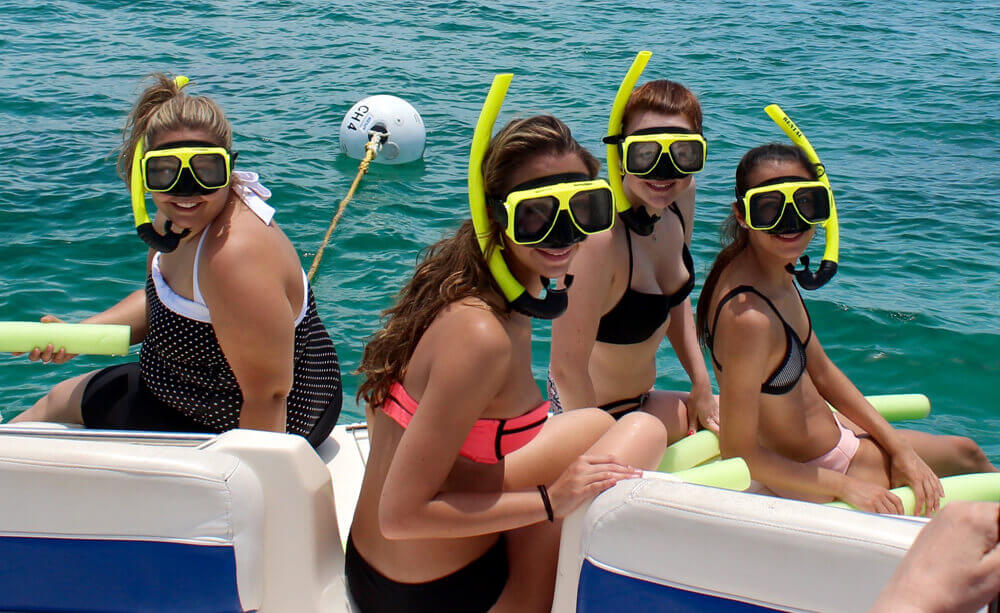
Alligator Lighthouse isn't just standing there looking pretty. It's marking one of the richest underwater playgrounds in the Florida Keys — a reef zone where the water runs clear, the fish move thick, and the coral sits shallow enough that you don't need to be a diver to see it. Four miles offshore from Islamorada, this lighthouse signals more than navigation routes. It signals life below the surface worth chasing.
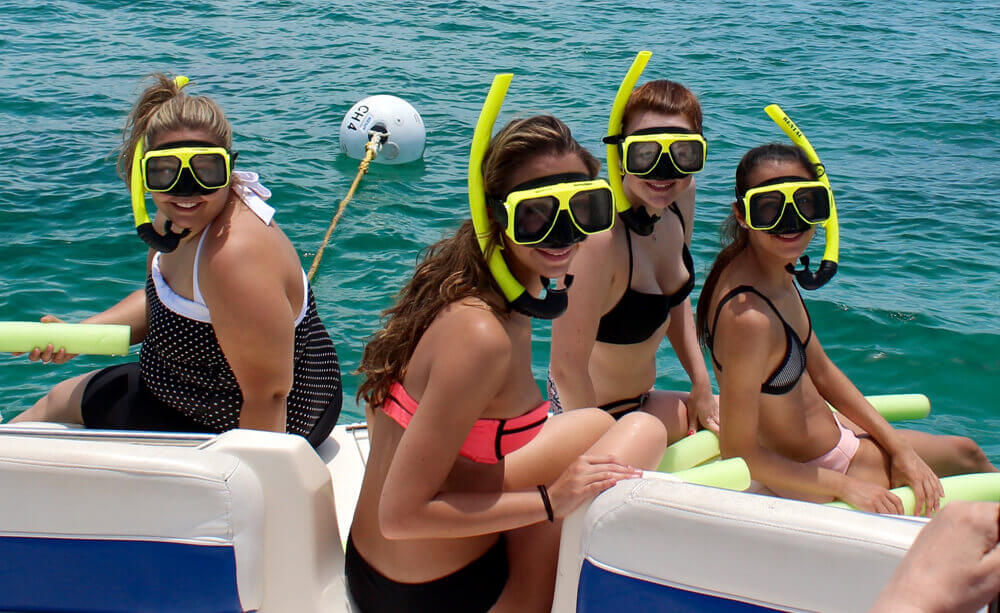
We've watched too many snorkelers skip past the good stuff because they thought they needed deeper water or technical gear. Wrong. Alligator Reef delivers visibility, variety, and vibrant marine action in water that sits between eight and twenty feet. That's snorkeling range. And if you're not making the trip out here, you're missing one of the Keys' most accessible underwater showcases.
Built on Wreckage, Surrounded by Beauty
The lighthouse went up in 1873, named after the USS Alligator — a Navy schooner that wrecked on this reef back in 1822 during a pirate chase. The structure survived hurricanes, salt, and time. Now it stands as both a historical marker and the centerpiece of a protected reef system that snorkelers flock to year-round.
What makes it special isn't just the backstory. It's the fact that the surrounding waters are shallow, calm most days, and packed with marine residents that don't scatter when you show up. You're not fighting current or depth. You're floating over a living gallery that stretches in every direction.
Getting Out There Without the Guesswork
You're not swimming four miles offshore. You're booking a boat. Most visitors go through local boat tour operators who handle the logistics, provide the gear, and know where the reef sits best on any given day. Some opt for private charters or kayak rentals, but unless you're familiar with the area and confident in your navigation, a guided trip makes more sense.
Tours typically bundle Alligator Reef with other nearby sites, giving you multiple chances to drop in and explore. The ride out is short, the setup is simple, and the payoff is immediate once you hit the water.
What Lives Down There
Slip under the surface and you're greeted by movement everywhere. Yellowtail snapper glide in formation. Parrotfish crunch coral. Angelfish weave through the structures while sergeant majors hold their ground near ledges. If you're lucky, a sea turtle drifts past, unbothered by your presence. Barracuda hang in the distance, watching but not advancing. Nurse sharks sometimes rest on the sand, blending in until you're almost on top of them.
The coral itself is the foundation. Brain coral, elkhorn, staghorn — all of it creating the architecture that supports the ecosystem. Visibility often pushes past fifty feet, meaning you can see the reef unfold in layers without straining. The water is warm. The current is manageable. And the depth lets you hover without effort, taking it all in without burning energy or air.
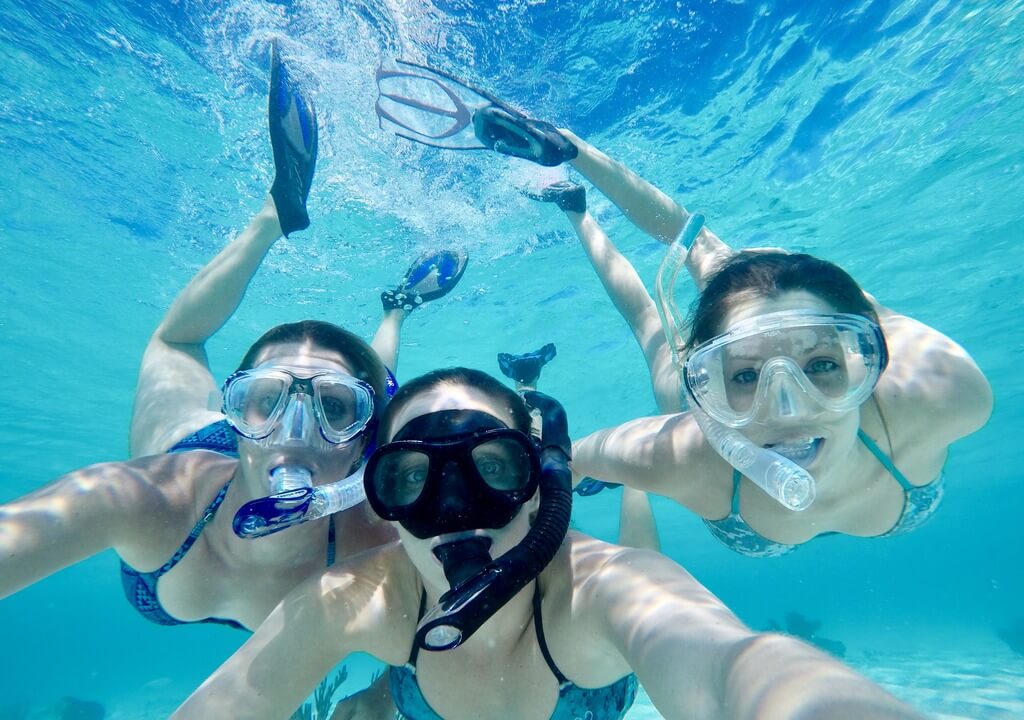
What You Need to Know Before You Go
- Pick a tour operator with a solid reputation and guides who respect the reef. Most provide masks, fins, snorkels, and flotation vests, so you don't need to pack heavy.
- Use reef-safe sunscreen. The chemicals in standard lotions can harm coral, and this reef is protected for a reason. Don't be the one contributing to its decline.
- Bring an underwater camera if you want proof of what you saw. Just secure it with a strap — losing gear in open water is both expensive and embarrassing.
- Pay attention to weather and water conditions. Even calm reefs can shift with wind or tide changes. Your guide will adjust, but you need to stay alert.
- Keep distance from wildlife. No touching, no chasing, no trying to get that one perfect shot at the expense of an animal's space. Watch, appreciate, move on.
Timing It Right
Spring and summer bring the warmest water and clearest visibility, but Alligator Reef is accessible throughout the year. Each season offers something different — cooler months mean fewer crowds, while peak travel periods pack the tours but guarantee consistent conditions. Book early if you're visiting during high season. Spots fill fast, and nobody wants to miss this because they waited too long to reserve.
What Else Islamorada Offers
After you surface, there's more to do than just rinse off and call it a day. Islamorada holds its own with waterfront dining, local art galleries, and the History of Diving Museum for anyone curious about the human side of underwater exploration. The vibe is relaxed, the scenery is unmatched, and the Keys culture runs deep here. It's the kind of place where you extend your stay without even planning to.
Pack the Fins, Skip the Excuses
Alligator Lighthouse isn't just a photo op from the boat. It's the gateway to one of the most rewarding snorkeling experiences in the Florida Keys. The reef is protected, the marine life is thriving, and the conditions are as beginner-friendly as they come. Whether you've snorkeled a hundred reefs or you're strapping on a mask for the first time, this spot delivers. We've seen it prove itself again and again — crystal water, healthy coral, and enough underwater action to make every minute count. Get out there and see what the fuss is about with Keyz Charters, or explore our Islamorada eco-tours for more ways to experience the underwater world.
Ready to Dive In?
We know the thrill that comes from exploring Alligator Lighthouse up close, and we're here to make your next snorkeling adventure effortless and unforgettable. Let’s plan your trip together—reach out to us at 305-393-1394 or book now and let’s get you out on the water for an experience you won’t forget.
‹ Back
Site by