
How to See Alligator Lighthouse From Islamorada by Private Boat
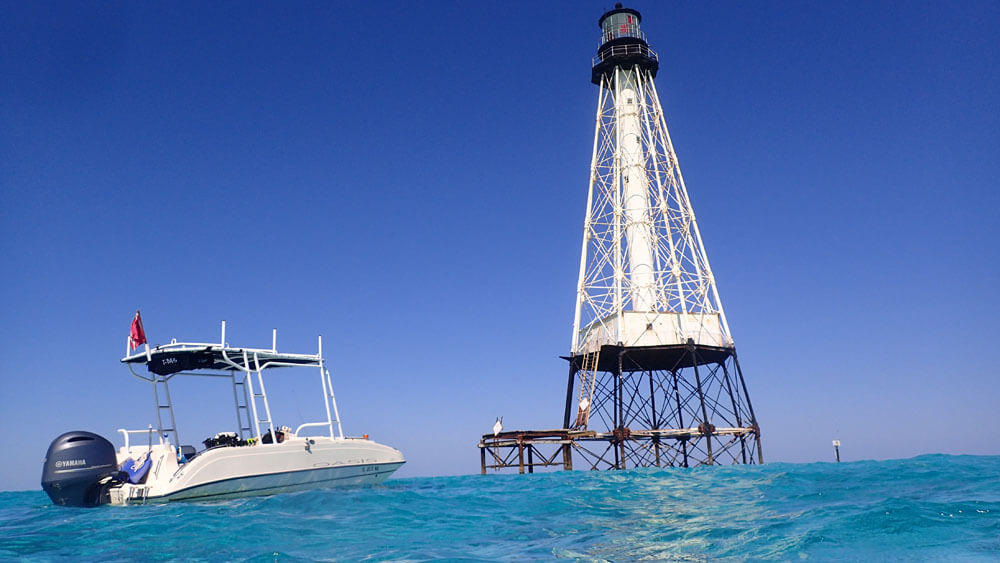
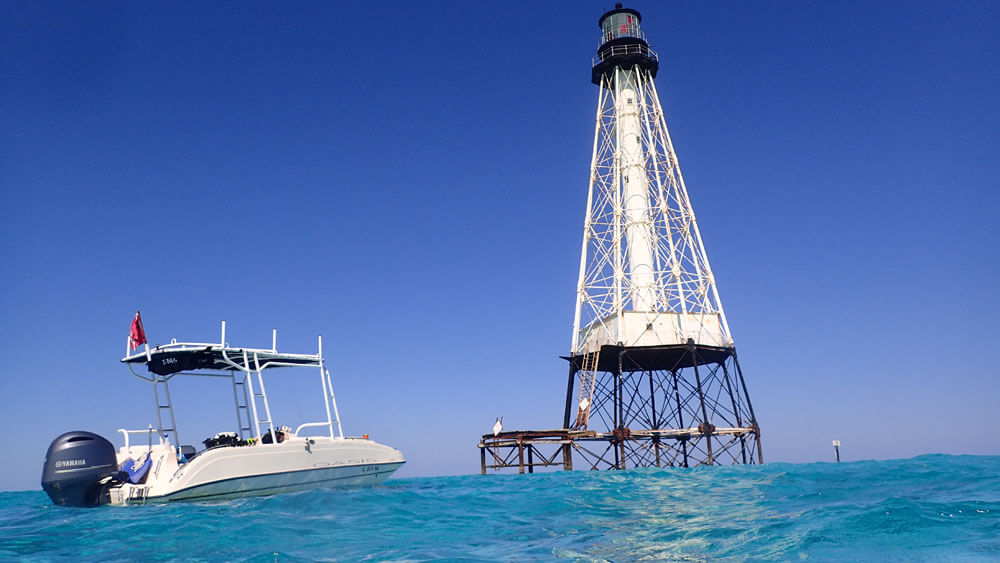
Alligator Reef Lighthouse sits four nautical miles off Islamorada, rising from the water like a sentinel over one of the most pristine coral reefs in the Florida Keys. Built in 1873, it marks the spot where the USS Alligator ran aground decades earlier while chasing pirates. Today, it's a magnet for boaters who want to snorkel crystal-clear water, photograph a piece of maritime history, and escape the crowds that clog the shoreline. If you've got access to a private boat, this is one of those trips that reminds you why you bought the thing in the first place.
Getting there isn't complicated, but it does require some planning. The reef is protected, the weather can turn fast, and the open water demands respect. Show up prepared, and you'll have a day worth remembering. Show up sloppy, and you'll spend more time troubleshooting than enjoying the view.
Why This Lighthouse Matters
Alligator Reef isn't just another marker on a chart. The lighthouse stands over a wreck site that's been part of Keys lore since the early 1800s. The USS Alligator went down fighting pirates, and the reef that claimed it now hosts some of the healthiest coral formations in the region. The surrounding waters are part of the Florida Keys National Marine Sanctuary, which means the ecosystem here is protected and thriving.
Snorkelers and divers come here for the visibility and the marine life. Expect to see parrotfish, angelfish, rays gliding over the sand, and sea turtles cruising through the shallows. The reef itself is a living structure, and the lighthouse above it makes for a striking backdrop whether you're underwater or topside with a camera.
What You Need Before You Leave the Dock
This isn't a trip you wing. The lighthouse is offshore, the water can get rough, and the reef is fragile. Here's what you need to have locked down before you untie the lines.
- A seaworthy vessel: Center consoles, deck boats, and pontoons all work, but make sure your boat can handle open water. If you're not confident in your skills, hire a captain or book a charter.
- Navigation tools: The lighthouse is at roughly 24°51.5′N, 80°37.8′W. Most GPS units and marine apps will have it marked. Double-check your coordinates before you head out.
- Weather intel: Check the marine forecast the night before and again the morning of. Afternoon storms roll in fast, and choppy seas can turn a fun day into a miserable slog.
- Safety gear: Life jackets for everyone, a VHF radio, flares, and a first aid kit. Let someone onshore know your float plan and when you expect to be back.
- Snorkel gear and supplies: Masks, fins, reef-safe sunscreen, plenty of water, and snacks. A waterproof camera or GoPro is worth bringing if you want to document the trip.
Launching from Islamorada
Islamorada has several marinas and ramps where you can start your trip. Founders Park Marina, Whale Harbor Marina, and Bud N' Mary's are all solid options with easy access to the open water. Once you're underway, head southeast. On a clear day, you'll spot the lighthouse on the horizon within minutes.
The trip takes anywhere from twenty to forty minutes depending on your boat's speed and the sea state. Keep an eye on the depth finder as you approach the reef—shallow patches can sneak up on you, and the last thing you want is to ding your prop or worse.
Anchoring and Mooring Near the Reef
The area around Alligator Lighthouse is a no-anchor zone in most spots to protect the coral. Instead, you'll tie up to one of the mooring buoys maintained by the sanctuary. These buoys are free to use and designed to keep boats secure without damaging the reef below.
- Approach slowly: The buoys can be hard to spot in choppy water. Have someone on the bow ready to grab the line.
- Secure properly: Loop your line through the buoy's eye and tie it off with a bowline or cleat hitch. Double-check that it's tight before you shut down the engine.
- Respect the boundaries: Don't drift into restricted areas or drop anchor on the reef. The sanctuary rules are there for a reason, and rangers do patrol.
What to Do Once You're There
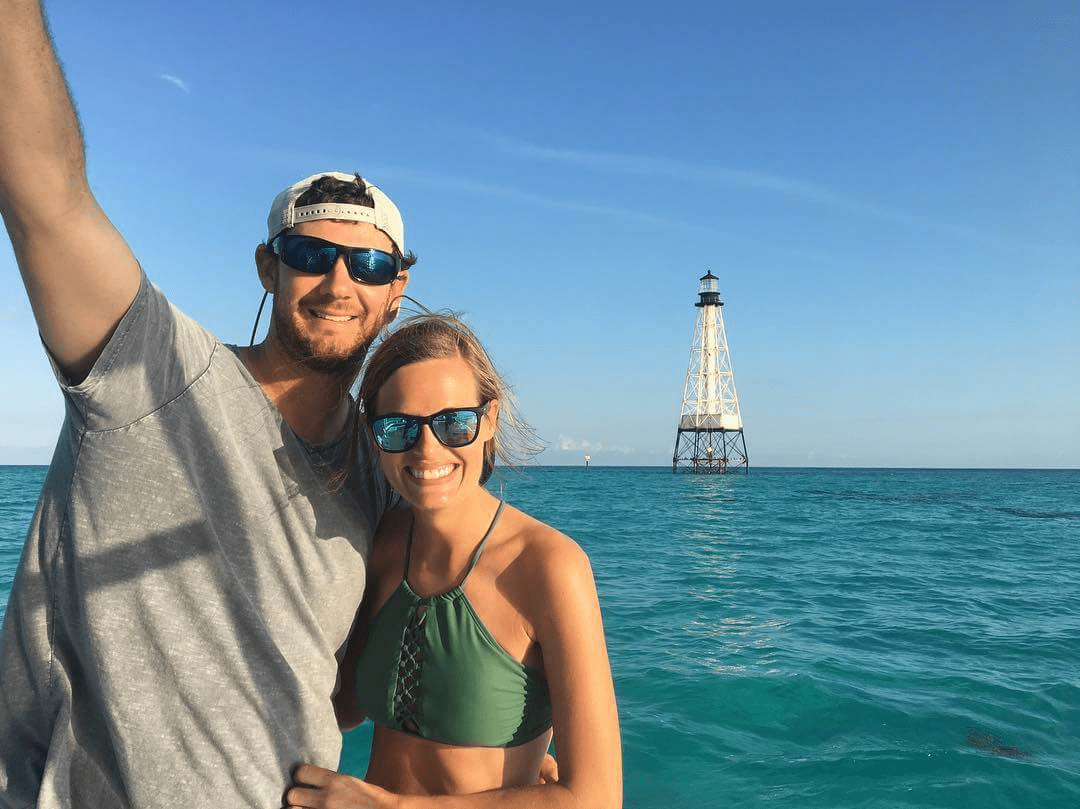
The water around the lighthouse is shallow, clear, and teeming with life. Most people come here to snorkel, and it's easy to see why. The visibility is often over fifty feet, and the reef is close enough to the surface that you don't need to dive deep to see the good stuff.
- Snorkeling: Slip on your mask and fins and explore the coral heads, sand channels, and rocky outcrops. You'll see schools of tropical fish, lobsters hiding in crevices, and rays cruising the bottom.
- Diving: If you're certified, you can go deeper and explore the wreck remnants and more dramatic sections of the reef. Bring a dive flag and stay aware of boat traffic.
- Photography: The lighthouse itself is a striking subject, especially in the golden light of early morning or late afternoon. Underwater shots of the reef and marine life are also worth the effort.
- Relaxing: Not everyone needs to be in the water. Pack a cooler, throw out a fishing line, or just sit back and enjoy the view. The open ocean has a way of clearing your head.
Staying Safe and Legal
The reef is protected, and the rules are enforced. Don't touch the coral, don't stand on it, and don't take anything with you. The sanctuary exists to preserve this ecosystem, and every visitor has a responsibility to leave it as they found it.
- Watch the weather: Storms can build fast in the Keys. If you see dark clouds or lightning, head back to Islamorada immediately.
- Stay hydrated: The sun is brutal out here, and dehydration sneaks up on you. Drink water even if you don't feel thirsty.
- Keep an eye on your group: If you've got kids or inexperienced swimmers, make sure everyone stays close to the boat and wears a life jacket.
- Leave no trace: Pack out everything you brought in. Trash kills marine life, and there's no excuse for leaving it behind.
Making the Most of Your Trip
Alligator Lighthouse isn't a place you rush through. Plan to spend a few hours here, whether you're snorkeling, diving, or just soaking in the scenery. Bring a good cooler, pack more water than you think you'll need, and don't forget the reef-safe sunscreen. The sun reflects off the water and will fry you faster than you expect.
If you're new to the area or unsure about navigating offshore, consider hiring a local captain for your first trip. They'll know the best mooring spots, the safest routes, and the hidden corners of the reef that most visitors miss. Once you've done it once, you'll have the confidence to come back on your own.
For those looking to combine multiple experiences in one outing, custom combination tours can include stops at the lighthouse along with sandbar visits or eco-tours through nearby mangrove channels.
Worth the Effort Every Time
Ready to Chart Your Own Course?
Exploring Alligator Lighthouse is the kind of adventure that stays with us long after we’ve rinsed off the salt and stowed the gear. If you’re eager to make the most of your time on the water and want a local crew to help you get there safely and stress-free, let’s make it happen together. Give us a call at 305-393-1394 or book now to reserve your trip and experience the Keys the way they’re meant to be seen.
‹ Back
Site by